
Phase 2 AI Health Search Study: How AI Selects Content Sources to Generate Responses to Healthcare Queries
As AI Overviews (AIOs) increasingly shape how health information is discovered, brands face a new challenge: understanding not just how to rank in traditional search results, but how generative systems decide which sources to cite. To help clarify these dynamics, Sosemo conducted a multi‑phase research study analyzing the sources referenced within AI Overviews across a wide range of healthcare queries.
This article summarizes key findings from the study, highlighting the factors most closely associated with AI source selection. While the insights are rooted in healthcare, many of the learnings have broader implications for how content visibility is earned in AI‑powered search experiences.
Methodology
- Ten common healthcare conditions with established treatment pathways were selected: hypertension, diabetes, asthma, COPD, heart disease, depression, prostate cancer, Alzheimer’s disease, allergies, and obesity.
- Keyword research was conducted to identify search queries aligned to each phase of the patient journey (from symptoms to branded treatments), as well as queries commonly used by healthcare professionals (HCPs) and within rare disease contexts.
- One keyword phrase per condition was mapped to each journey stage, HCP, and rare disease category.
- Each keyword was searched on Google using Incognito mode.
- All sources cited within the resulting AI Overviews were individually recorded.
- For each cited source, data was collected on citation frequency, source rank, domain type, content freshness, keyword optimization, organic SEO ranking, and whether the content addressed early‑ or late‑stage journey topics.
- Each source page was reviewed for outbound links and to support later analysis of inbound linking relationships across cited content.
- The full methodology was replicated on Bing.
Get the Full AI Health Search Study. Schedule a Live Review Meeting.
Contact Us
Correlation Between SEO Rankings and Source Rank in AIOs
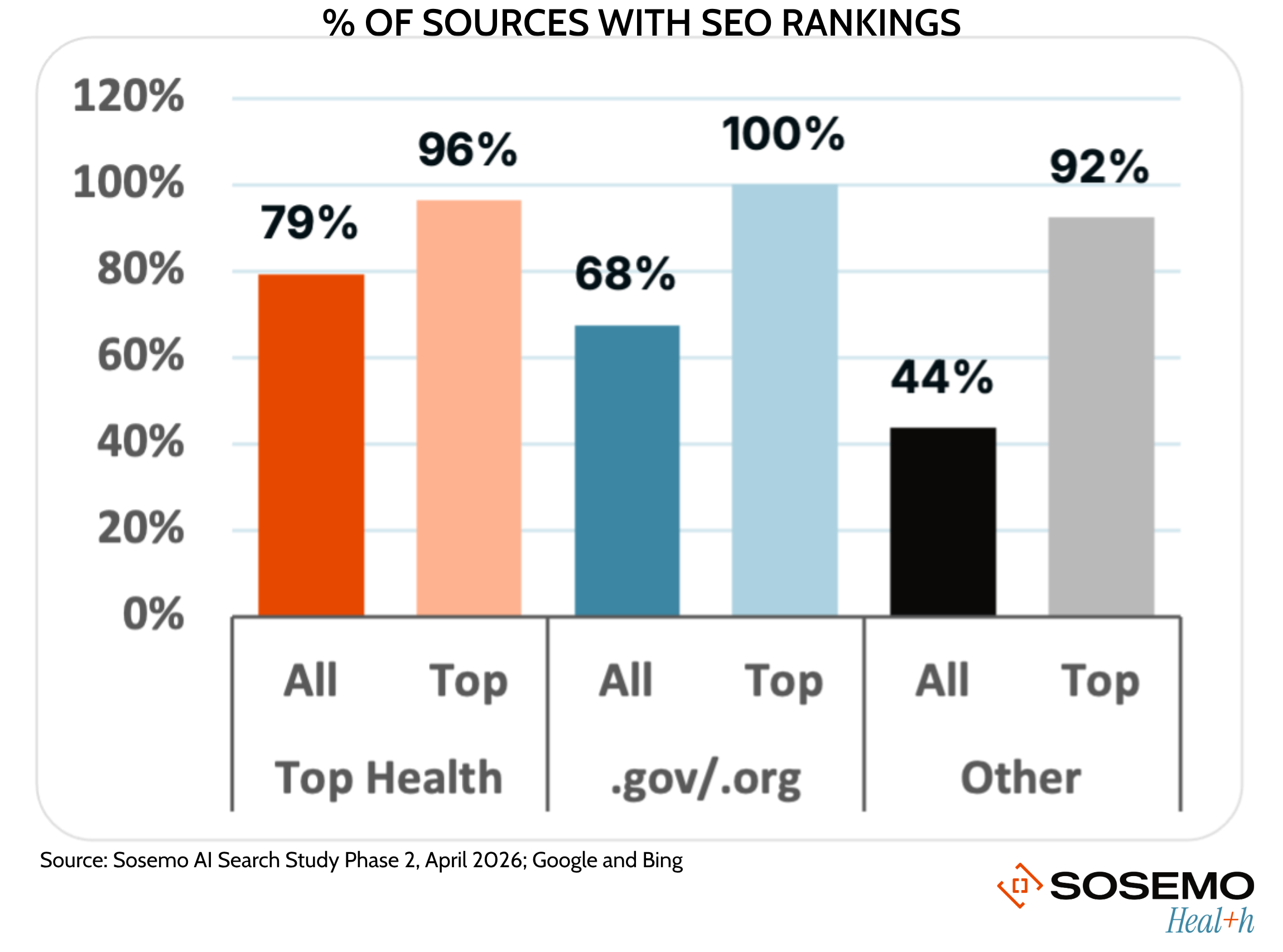
A strong correlation emerges between organic SEO rankings and AI source rank. Because AI Overviews cite only a limited number of sources—far fewer than a traditional search results page—the majority of cited sources already rank highly in organic search.
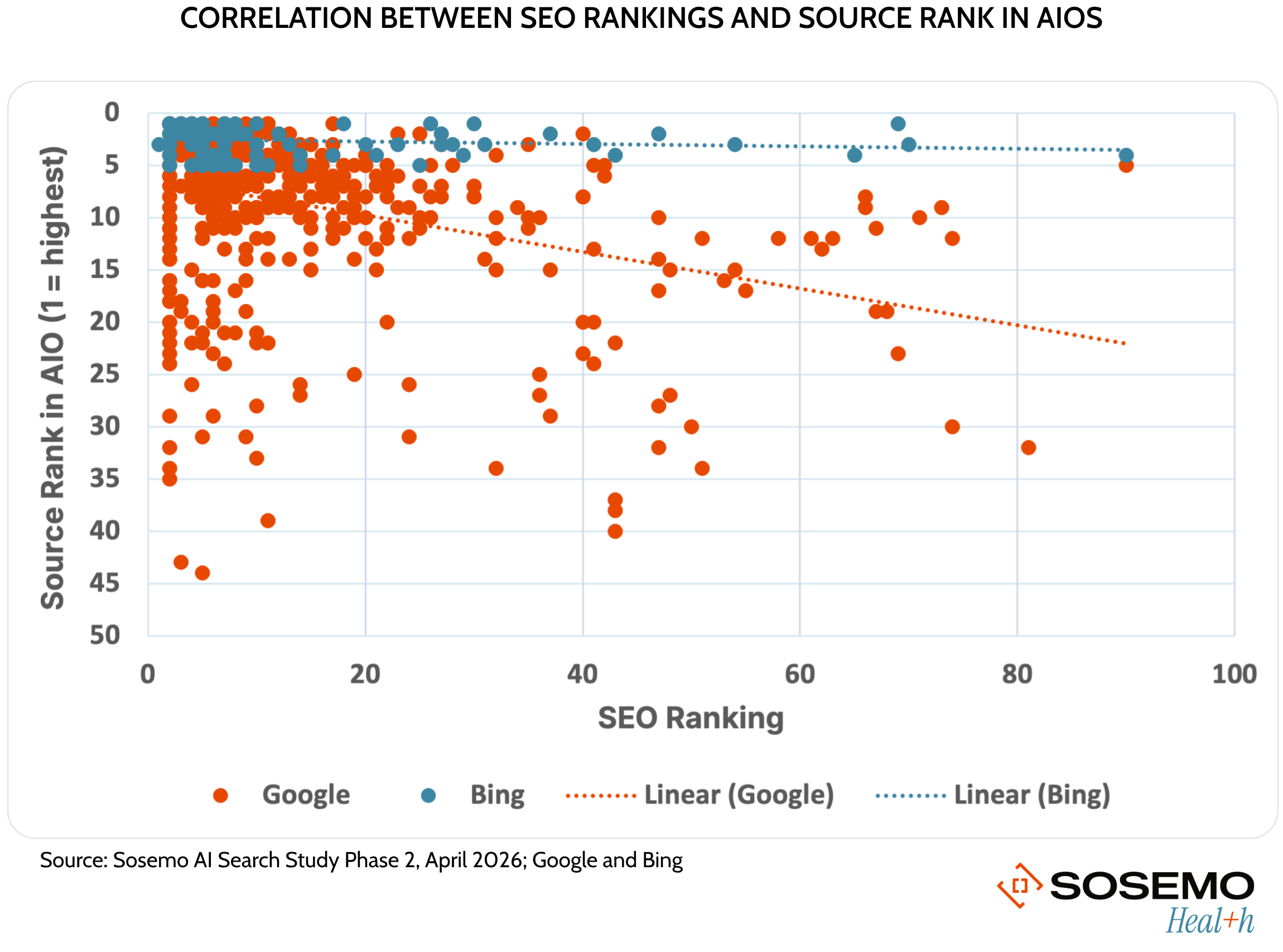
Most sources appeared within the top 20 results on Google and the top 10 on Bing, reinforcing the foundational role of SEO performance in AI visibility. While some outliers exist—suggesting nuanced differences in how generative models weigh additional signals—top organic rankings remain one of the most consistent predictors of inclusion.
For healthcare brands seeking to influence AI Overviews, SEO is not optional. It is foundational.
Keyword Optimization of AIO Sources by Health Category
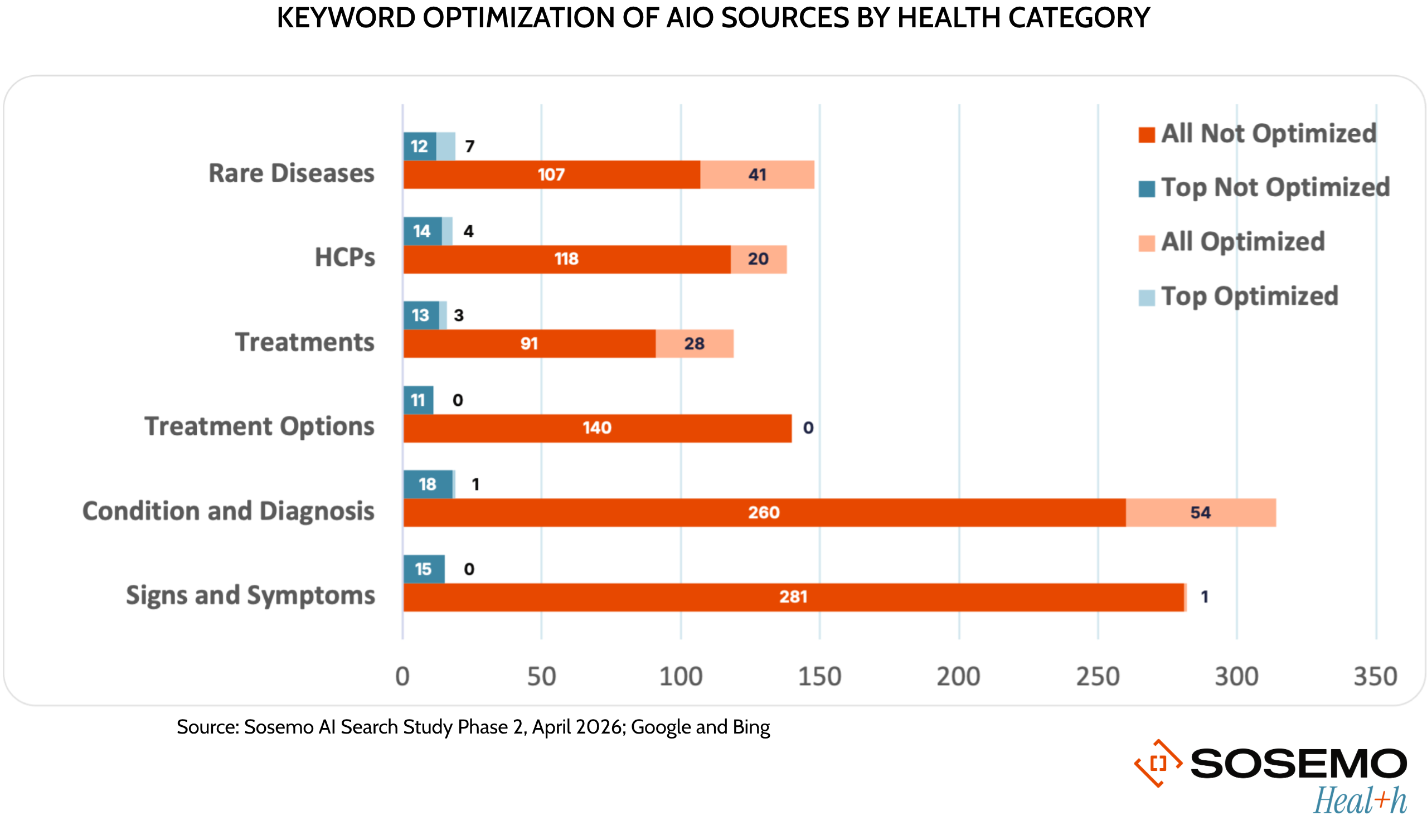
Although upper‑funnel queries produced a greater number of cited sources, the percentage of keyword‑optimized citations remained relatively consistent across the patient journey. This suggests that heavy keyword optimization is not a defining factor in whether content is selected as an AI source.
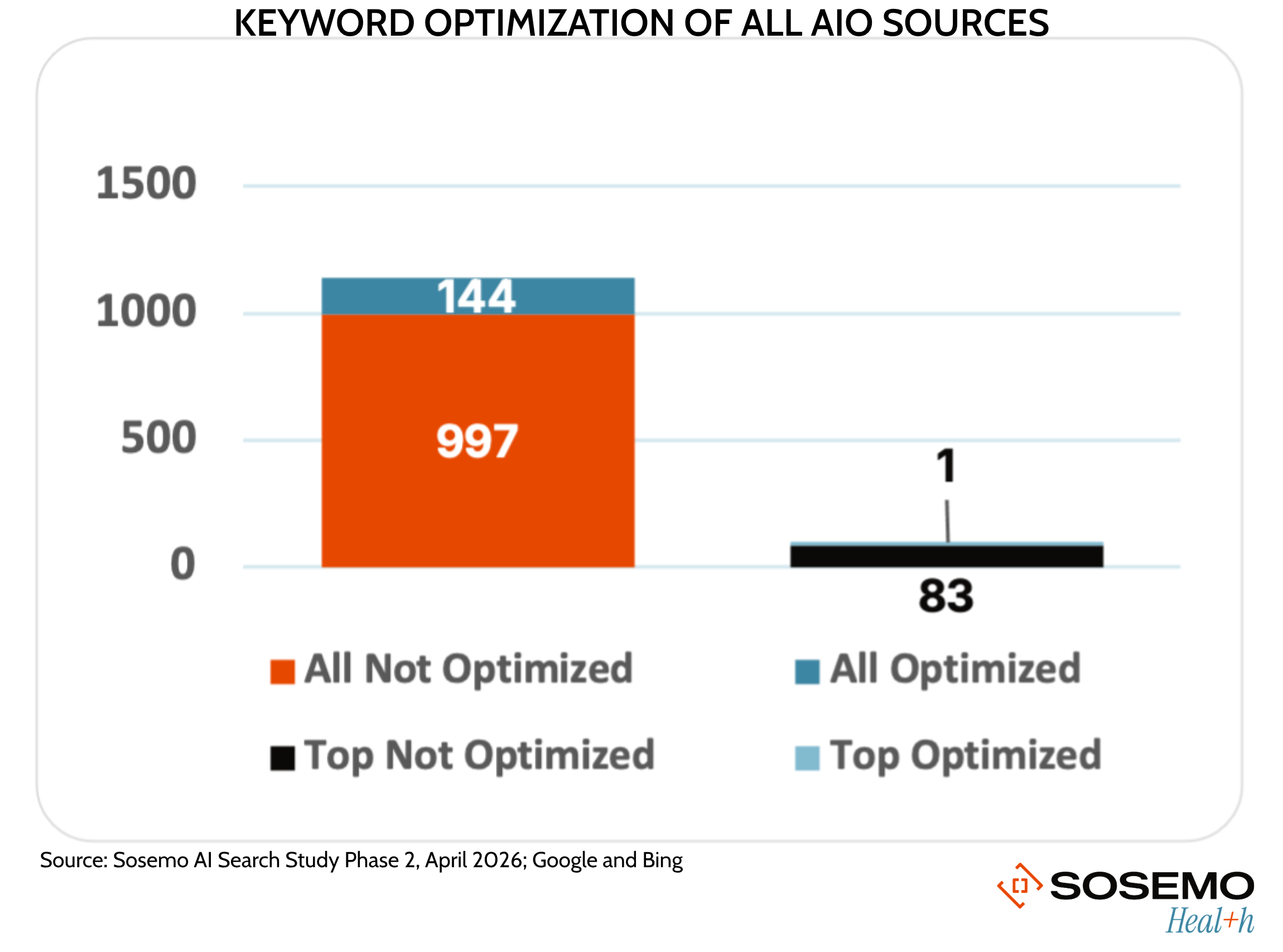
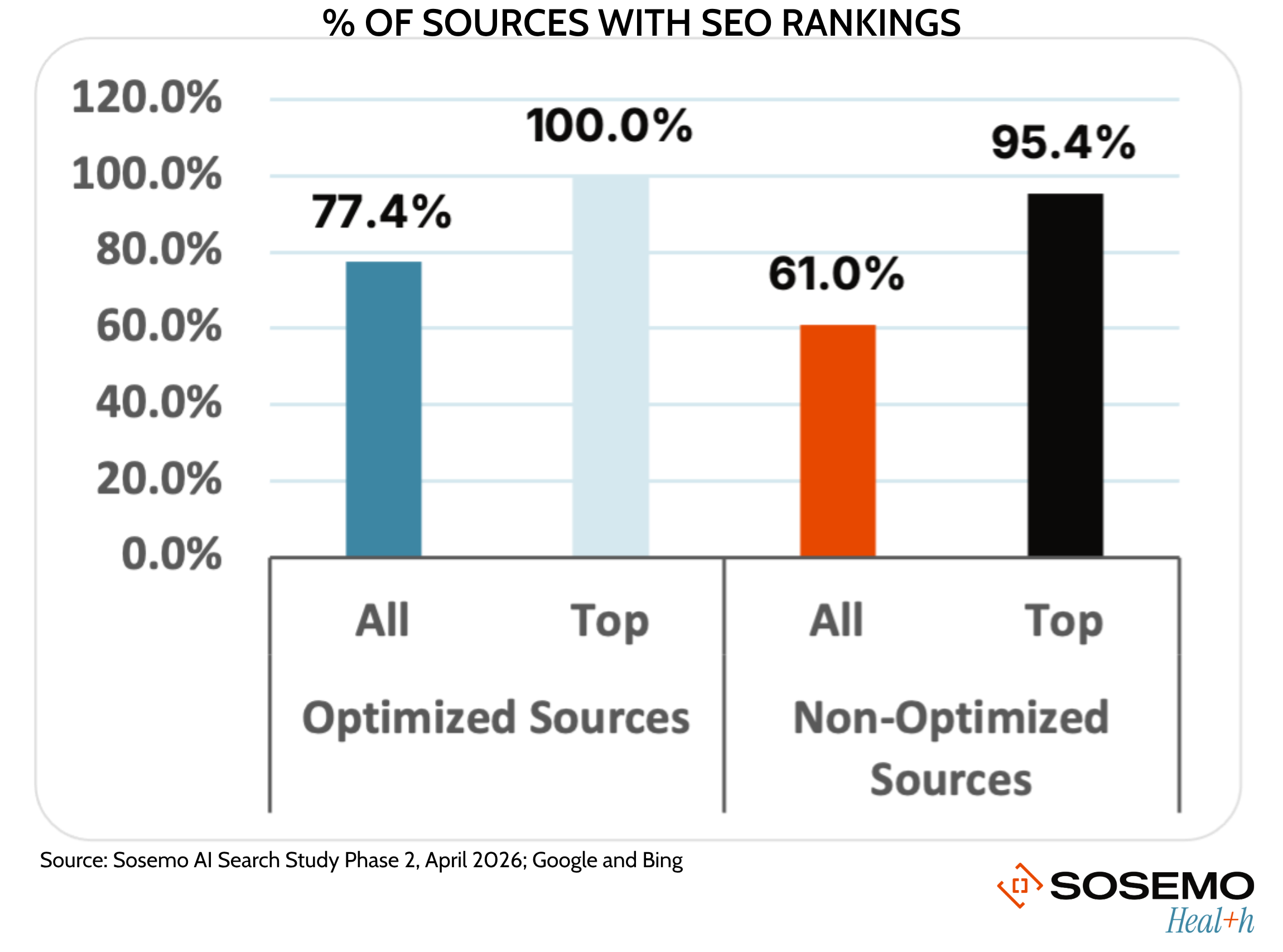
Instead, AI systems appear to rely more heavily on a page’s overall organic ranking—particularly for top citations—than on exact‑match keyword density. Keyword strategies that emphasize semantic relevance, user intent, and E‑E‑A‑T principles perform more consistently than purely mechanical optimization approaches.
Holistic SEO practices remain essential, but successful AI visibility is driven by meaning and authority rather than keyword repetition.
Correlation Between Keyword Optimization and Source Rank in AIOs
Most cited pages—especially on Google—exhibited minimal keyword density, reinforcing the role of semantic understanding in AI source selection. While a slight correlation exists between keyword usage and source rank, the strongest cluster of top‑ranked sources featured keyword density below one percent.
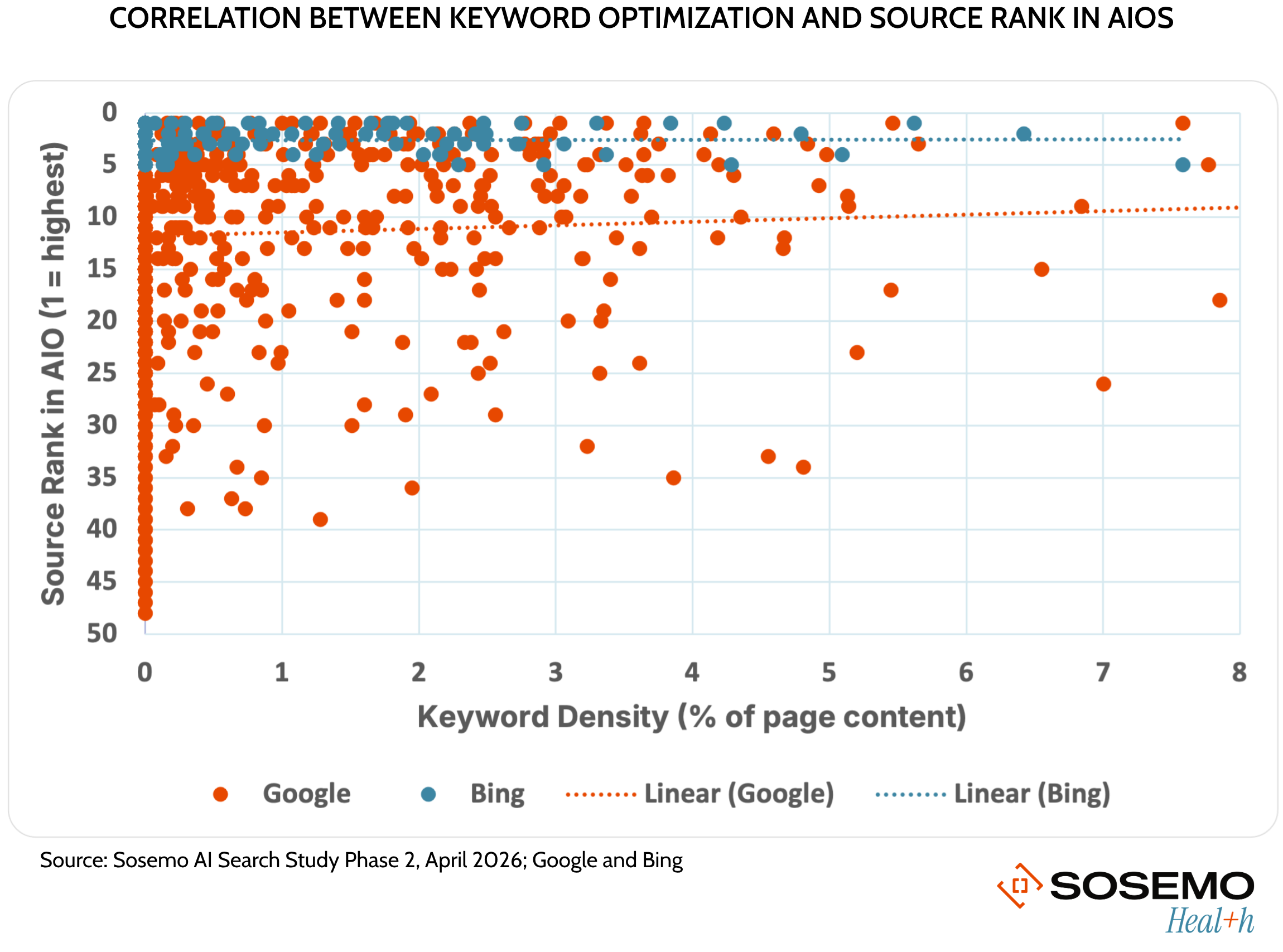
These findings support a context‑over‑count approach to content optimization. Topic selection should continue to be informed by keyword research and competitive analysis, but execution should prioritize natural language, semantic coverage, and clarity over formulaic keyword placement.
Freshness of AIO Sources by Health Category
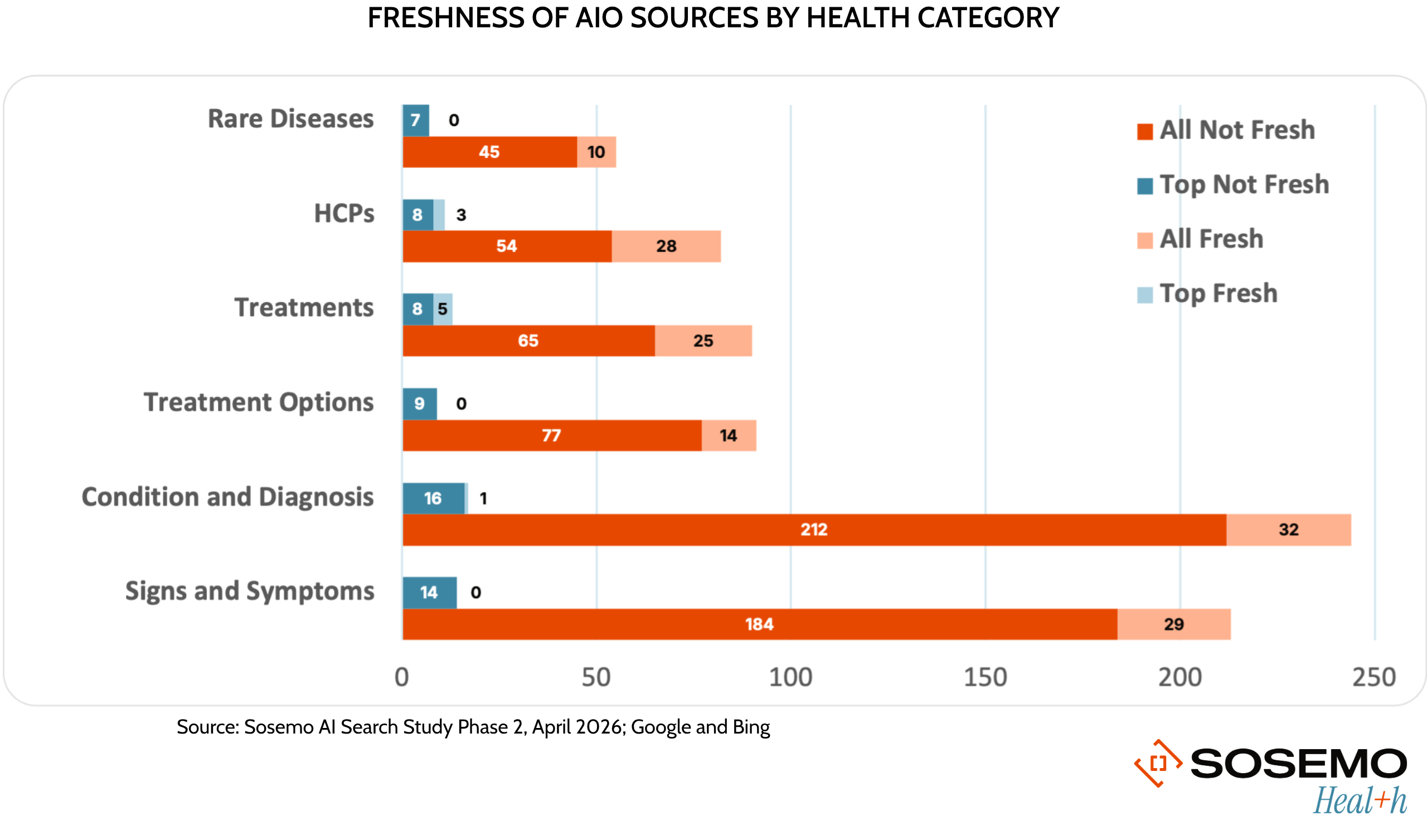
Top‑ranked AI sources were frequently the same pages that held top organic positions, particularly when fresher alternatives were unavailable. This suggests that strong SEO performance can outweigh content freshness as a source‑selection factor.
That said, newer content represented a larger share of total cited sources than of top‑ranked sources (18 percent versus 13 percent). Freshness alone is not a silver bullet, but timely content can increase citation probability for non‑top rankings when paired with strong topical relevance and authority.
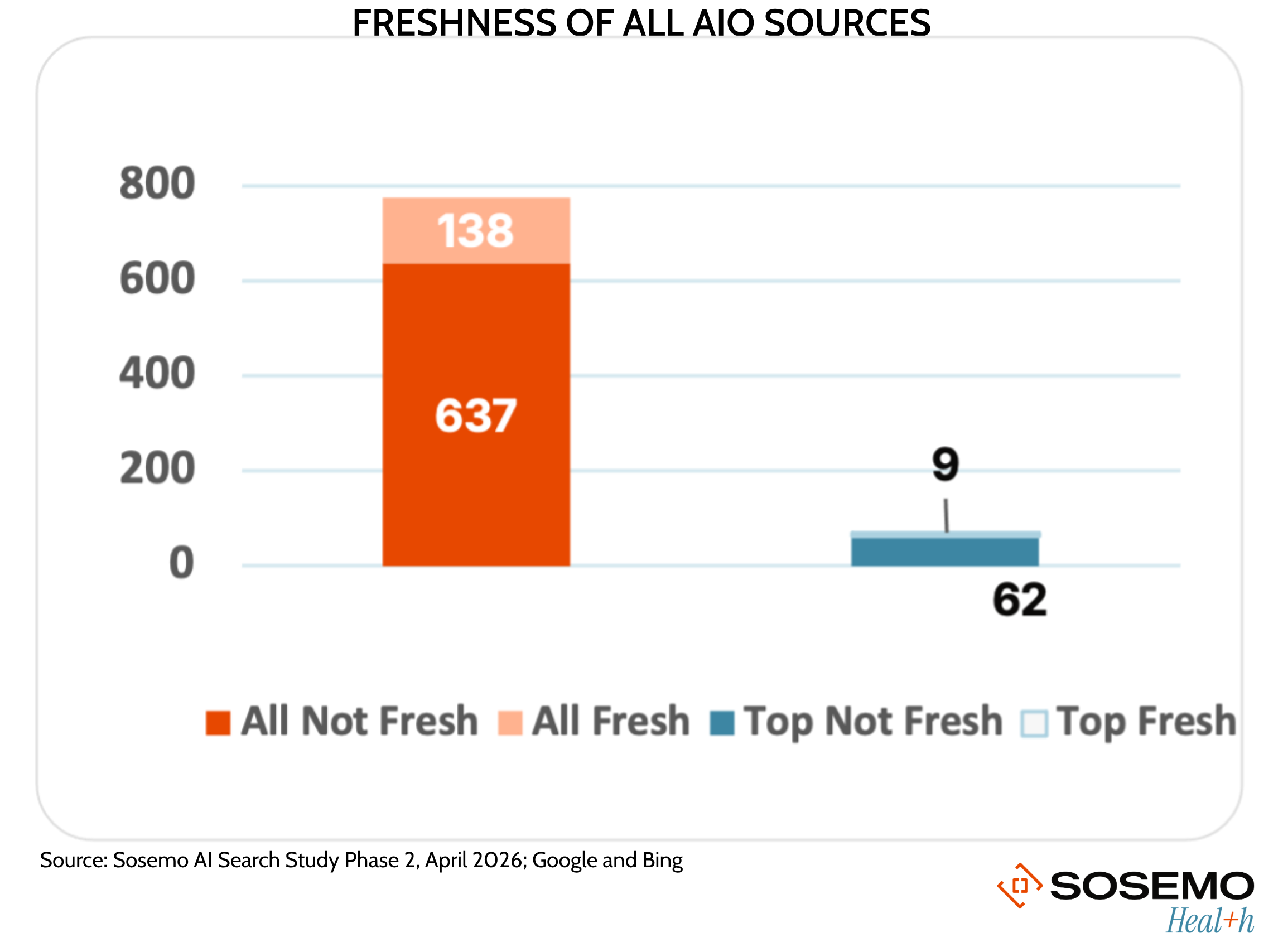
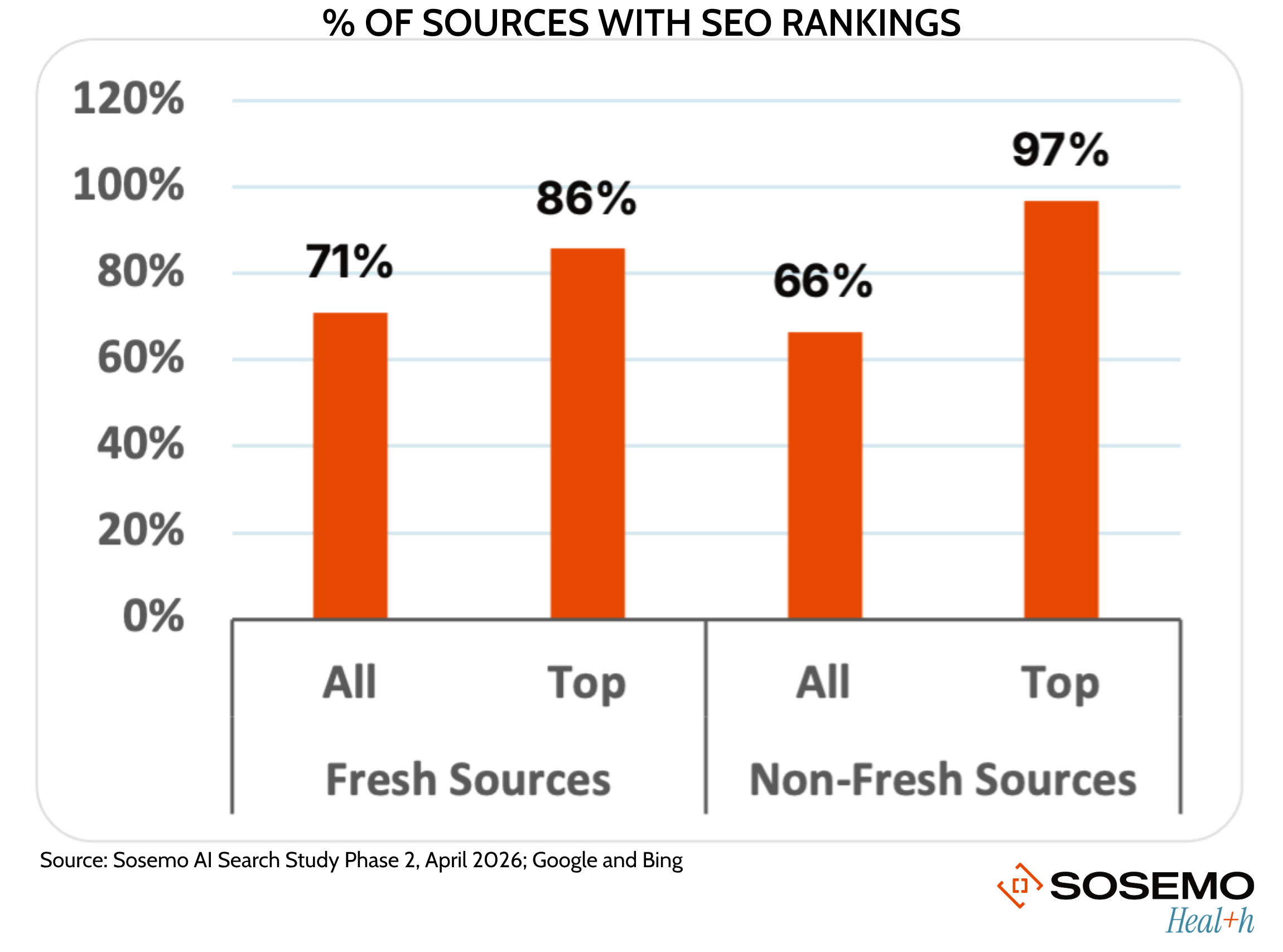
In an environment of accelerating content production, uniqueness and E‑E‑A‑T alignment remain critical. Publishing new content while regularly updating high‑value legacy pages supports visibility across both AI and traditional search.
Definition: Fresh content refers to pages published within the past six months.
Correlation Between Freshness and Source Rank in AIOs
The largest concentration of cited sources was published within the past three years. While more recent content tends to rank slightly higher within AI Overviews, freshness as a standalone factor has limited impact due to the number of lower‑ranked sources that also qualify as “recent.”
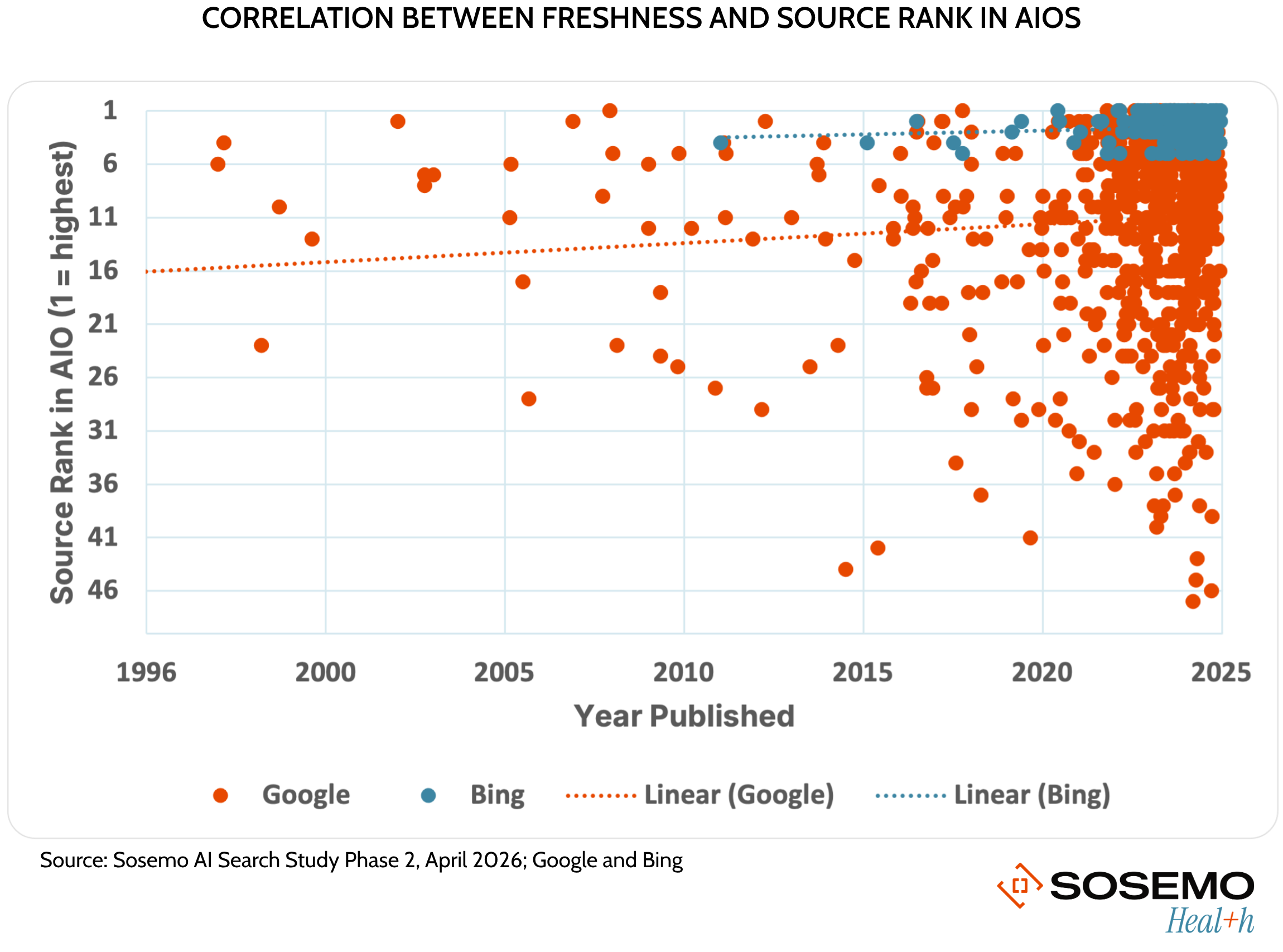
This creates a dual opportunity for healthcare brands: continually feeding generative systems with new, authoritative content while revitalizing older pages through updates or rewrites. Both approaches improve AI consideration without sacrificing SEO stability.
Prevalence of Authority Sites in AIO Sources by Health Category
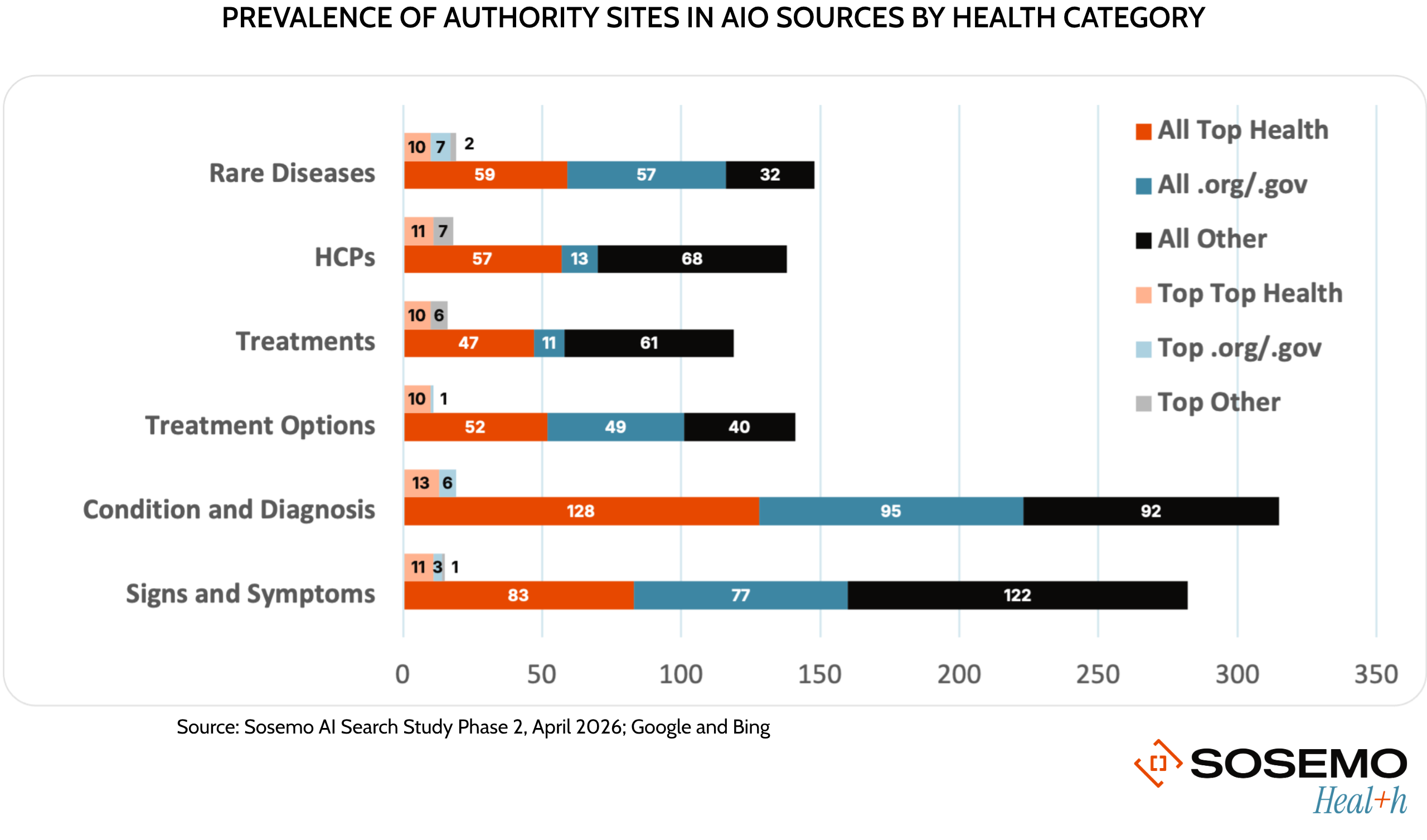
AI Overviews draw from a broad mix of domains. While .org and .gov sites remain prominent, non‑top‑tier and commercial domains—particularly within treatment, branded HCP, and symptoms categories—are frequently cited.
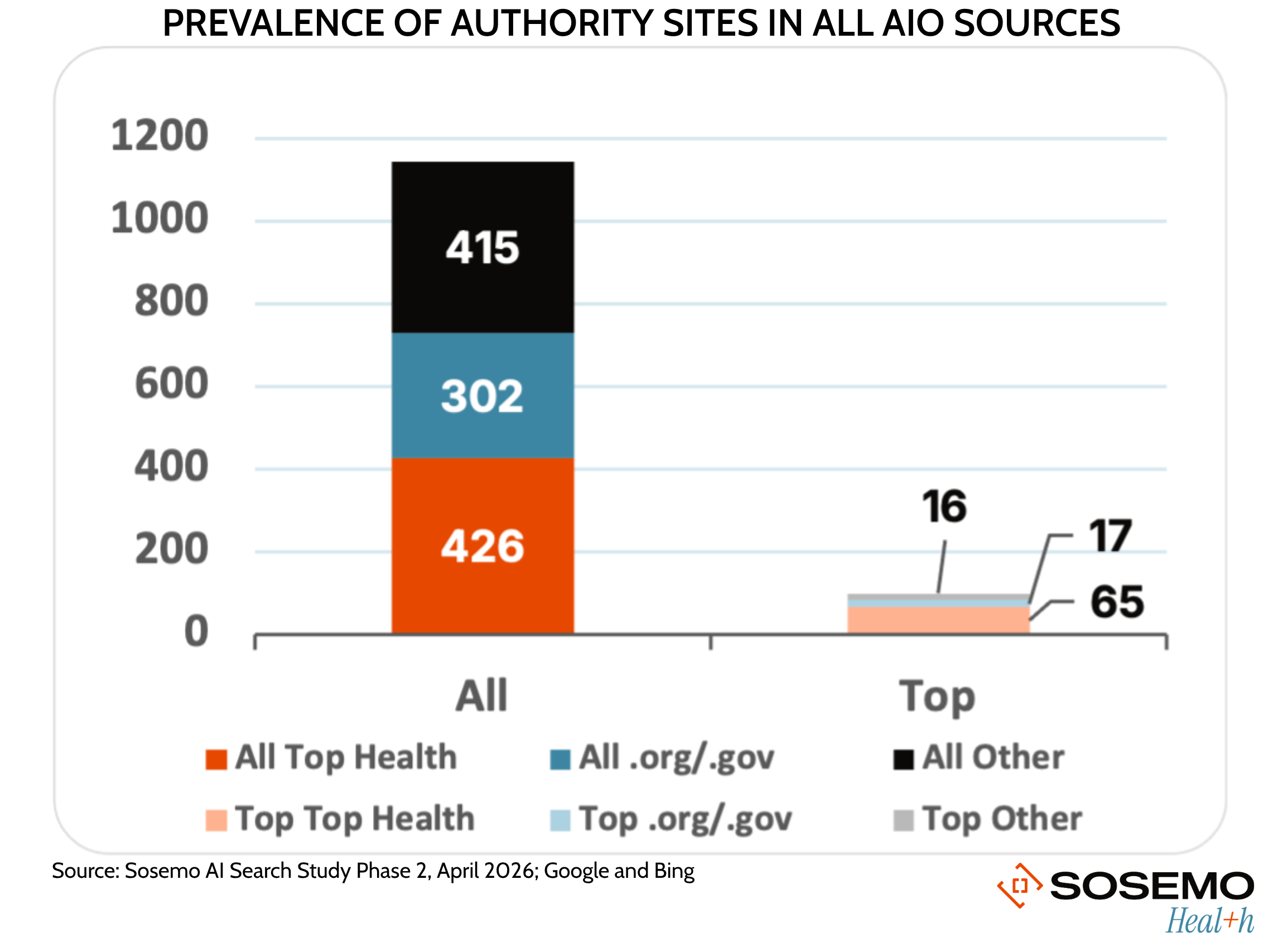
This distribution indicates that rigid authority filtering is not in place. Instead, citations skew heavily toward pages with strong organic rankings, regardless of domain type. For pharmaceutical brands and disease‑state awareness properties, the greatest opportunity lies within treatment‑ and symptom‑focused queries where SEO performance enables AI inclusion.
Importance of Full Funnel Content in AIO Sources by Health Category
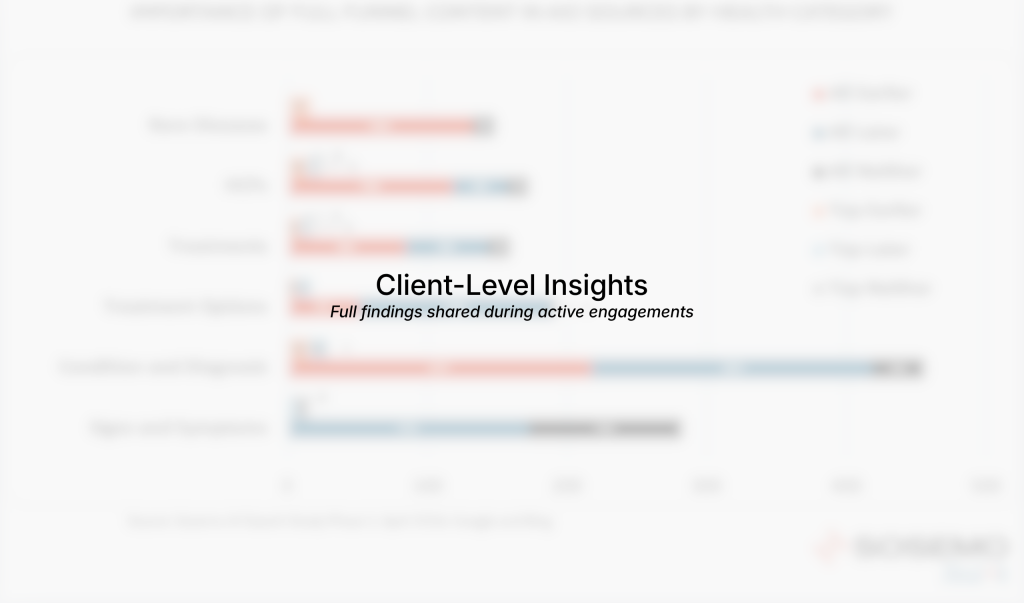
Most cited sources extend beyond the immediate journey stage implied by the query. Rather than narrowly answering a single question, these pages provide broader contextual depth—supporting AI’s preference for comprehensive, single‑source content.
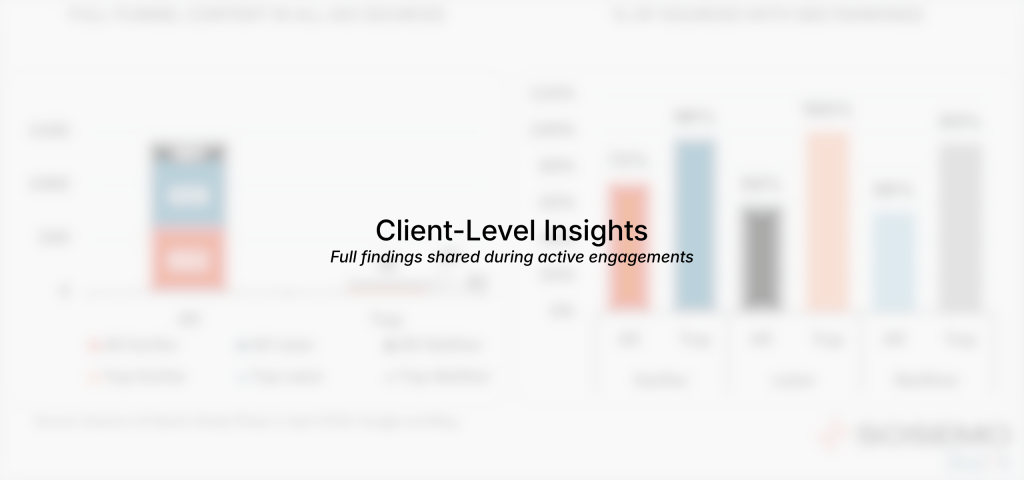
Pages that incorporate cross‑stage information, while remaining aligned to the primary journey intent, are more likely to be selected. For example, treatment‑focused content that responsibly addresses post‑treatment considerations appears better aligned with how AI systems assess completeness and usefulness.
Importance of Cross Linking in AIO Sources by Health Category
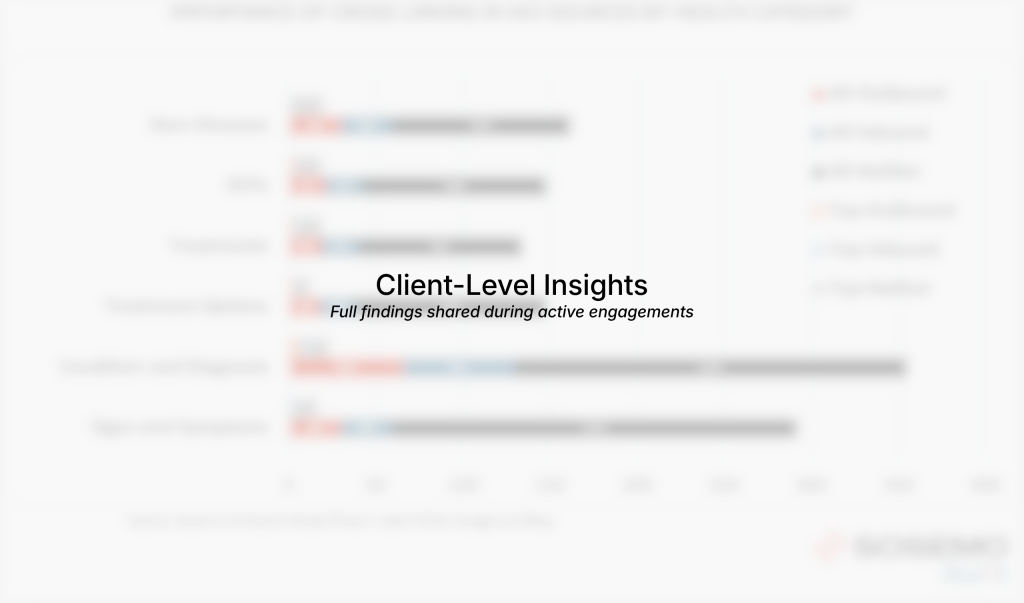
Cross linking is not a strict requirement for citation, but it is directionally important. Approximately 30 percent of all cited sources—and more than one‑third of top‑ranked sources—either linked to or received links from other AI‑cited pages. Given the limited citation pool, this level of overlap is notable.
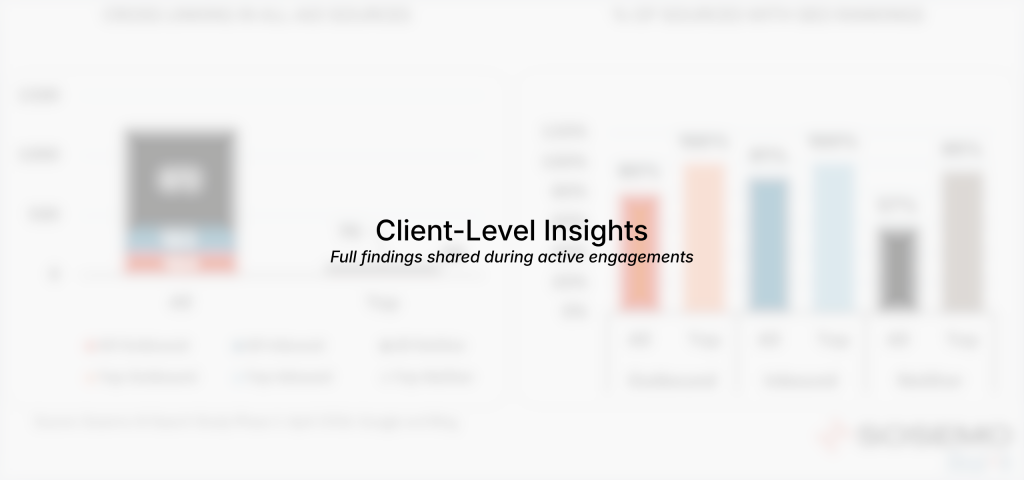
Outbound and inbound links appeared with similar frequency, suggesting comparable influence. Sources without cross linking also exhibited weaker SEO performance, reinforcing links as both an SEO and AI trust signal.
Websites that reference high‑quality external content and earn links from relevant sources improve their likelihood of AI inclusion. Strategic link development remains a meaningful lever within GEO strategies.
Importance of Internal Linking on AIO Source Inclusion
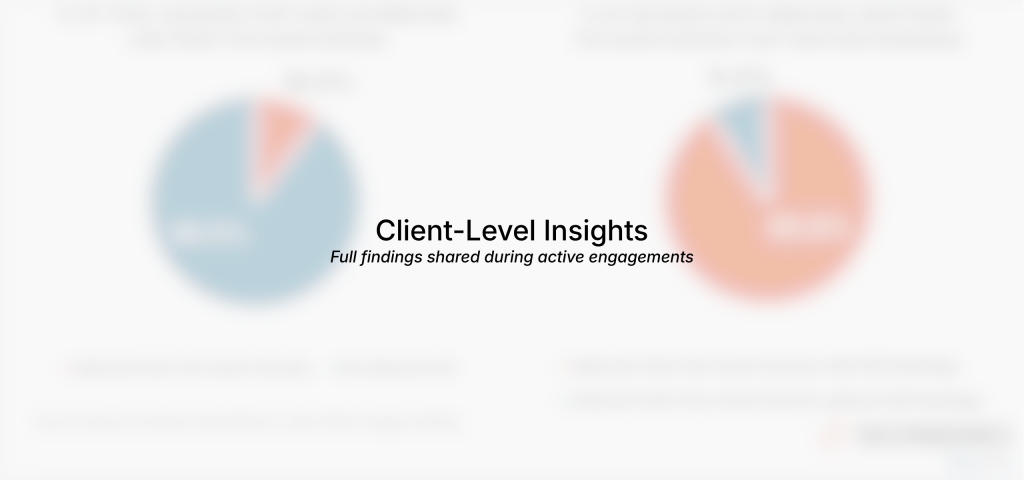
Internal linking exerts a strong influence on AI visibility. More than ten percent of cited sources were linked from other AI‑referenced pages within the same domain. Notably, nearly nine percent of internally linked sources had no organic rankings at all, demonstrating that internal signals can elevate otherwise non‑ranking pages into AI Overviews.
Contextual internal links—particularly those embedded within body content and supported by descriptive anchor text—increase the likelihood of multi‑source citations from a single domain. For complex healthcare ecosystems, internal architecture plays a meaningful role in AI discoverability.
Conclusion
The findings from this study reinforce that AI Overview visibility is not driven by any single optimization tactic. Instead, source selection reflects a convergence of signals already familiar to strong SEO programs—interpreted through a generative lens.
Top AI citations are closely tied to organic rankings, making SEO foundational to generative visibility. Traditional keyword density plays a limited role, with AI systems favoring semantic relevance, intent satisfaction, and E‑E‑A‑T‑aligned content. While content freshness can improve inclusion likelihood for non‑top sources, authority and ranking strength remain dominant.
AI Overviews do not rely on rigid domain filtering, allowing commercial and brand‑owned healthcare properties to compete alongside institutional sites when SEO performance supports credibility. Pages that deliver full‑funnel depth, rather than narrowly scoped answers, are more consistently cited, reflecting AI’s preference for comprehensive sources.
Finally, both cross linking and internal linking meaningfully influence AI inclusion. These link‑based signals reinforce trust, visibility, and contextual relevance—often elevating pages that would not otherwise rank organically.
Taken together, these insights point to the need for an integrated SEO and Generative Engine Optimization (GEO) strategy—one that aligns technical performance, semantic content, strategic linking, and ongoing refreshes to earn visibility within AI‑driven search experiences.
What’s Next?
Insights from both Phase I and Phase II of this study have been synthesized and used to refine Sosemo’s GEO best practice framework. These learnings inform optimization recommendations shared during active engagements, helping healthcare brands improve visibility within AI Overviews and other generative answer experiences.
What is GEO?
GEO or Generative Engine Optimization is the process of refining and structuring a brand’s content so it is effectively recognized, prioritized, and surfaced by AI-powered search engines and generative models, increasing visibility in AI-generated answers and overviews.
Learn More About Our GEO Services.
Contact Us